Posted on March 09, 2026
Instant medical help can save lives in perilous and unpredictable areas. Tactical teams work in circumstances with delayed hospital transport, unclear evacuation dates, and persistent threats. This is why tactical medic’s matter.
Through the Advanced Prehospital Medicine Course, medical and tactical staff learn how to save lives in areas that are dangerous, hard to reach, or lacking resources.
This program teaches first responders military and medical skills to treat casualties safely, unlike conventional emergency training.
Key Insights
- The Advanced Prehospital Medicine Course trains trauma specialists for high-threat, remote, and resource-limited situations.
- For real-world operational readiness, it combines Combat, Tactical, and Wilderness Medical Training.
- Training covers hemorrhage control, airway management, chest trauma, shock treatment, and prolonged field care.
- A Tactical Medicine Course emphasizes care under fire, rapid decision-making, and tactical team integration, unlike standard first aid.
- Military, police, paramedics, emergency healthcare providers, private security teams, and disaster responders benefit from the program.
- Certification boosts credibility, career prospects, and readiness for elite response roles.
- A trained Tactical Medic can act quickly in dangerous or unpredictable situations without hospital care.
What Is an Advanced Prehospital Medicine Course for Tactical Medics?
Tactical medics can take the Advanced Prehospital Medicine Course to learn how to treat serious injuries and emergencies before they get to a hospital. You can take this course in operational or high-threat areas. It covers things like working as a team, medical training for combat, and emergency trauma care.
Stopping bleeding, controlling airways, treating chest injuries, shock, and field long-term care dominate the course. Participants learn fire care and evacuation methods to prevent fatal injuries during active operations.
Tactical Medicine Courses emphasize teamwork, quick decisions, and patient care in stressful situations. Wilderness Medical Training is one of many courses that prepare doctors for remote, resource-poor work.
Who Should Enrol in a Tactical Medic Training Program?
Such people should join a program:
- Combat Medical Training officials and military doctors.
- Special operations and tactical response teams exist.
- legal agents like SWAT and counter-terrorism teams.
- Doctors, paramedics, and emergency nurses are interested in Tactical Medical Training.
- High-risk firefighters and rescuers.
- Private security and close protection.
- Disaster response teams support the needy.
- People who treat injuries in difficult or distant settings, especially Wilderness Medical Trainers.
- People who wish to become tactical medics by pursuing a prehospital medical course.
How Tactical Medical Training Differs from Standard First Aid Training?
Standard first aid training teaches basic life support in safe, well-run environments. Participants learn CPR, bleeding control, and civilian emergencies.
However, Tactical Medical Training by Valkyries Medical Solutions prepares workers for risky, ever-changing environments. Under fire, in low light, or during tactical activities, care may be needed.
Higher-level care involves enhanced airway opening, needle chest decompression, and longer-term trauma management in the field.
Integration of operations is another Tactical Medicine Course focus. Medical staff must collaborate with team leaders, stay informed, and avoid interfering with mission goals.
Skills Gained from an Advanced Tactical Medic Course
Common skills taught at advanced tactical medical schools are:
- Advanced trauma assessment and fast casualty review.
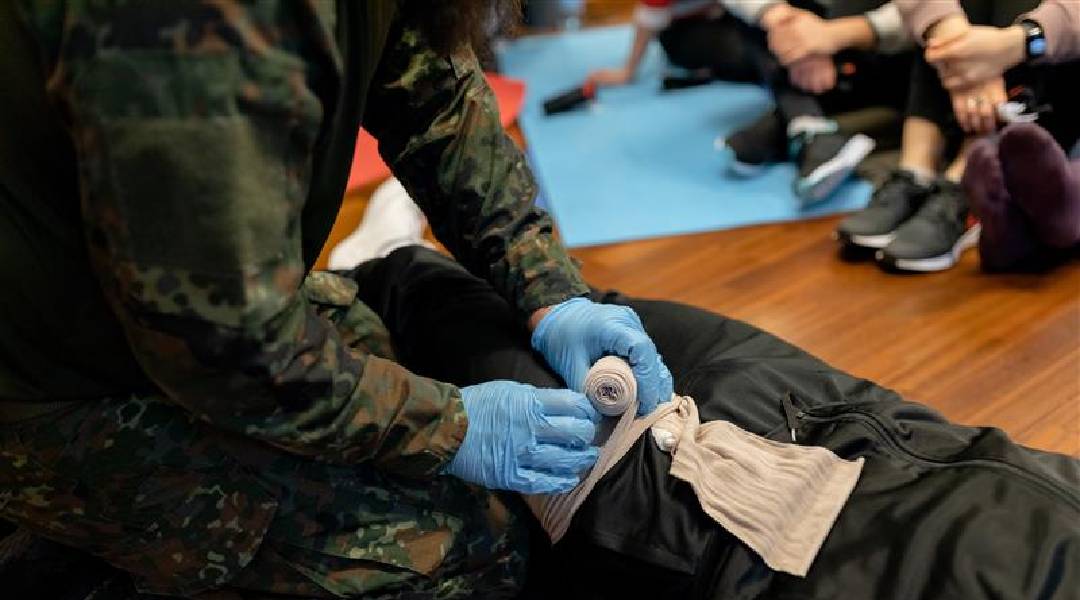
- Stop bleeding with tourniquets, pressure bandages, and hemostatic.
- Airway management includes advanced methods.
- Care for chest injuries (needle release).
- How to diagnose and treat shock before hospitalization.
- Longer field care when escape is delayed.
- Mass fatality event management.
- operational communication and teamwork throughout tasks.
- Adapting to harsh and isolated environments (Wilderness Medical Training).
- Application of sophisticated tactical and combat medical methods.
Career Benefits of Tactical Medic Certification
Here are the benefits:
- Better medical profession credibility in risky jobs
- How to join elite reaction teams or specialized units
- More military, police, and private security jobs
- Increased crisis and humanitarian preparation
- A competitive edge in operational medicine jobs
- Better decision-making and leadership in difficult situations
You will be recognized as a tactical medic with extensive prehospital medicine training.
Conclusion
Combat medics can save lives in the worst situations with the help of an advanced prehospital medicine course that is focused on missions. Combat medical training, tactical medical training and wilderness medical training are all part of the training. The goal is to prepare professionals to help people when emergency services fail.
Certified Tactical Medics by Valkyries Medical Solutions are strong, smart, and able to make quick decisions in dangerous or remote areas.
FAQs
1. What is an Advanced Prehospital Medicine Course for Tactical Medics?
This program prepares professionals to deliver advanced emergency and trauma care in risky, tactical, or rural environments.
2. Who should enroll in a Tactical Medic training program?
Military, police, paramedics, emergency medical workers, private security teams, and disaster responders should sign up.
3. How does tactical medical training differ from standard first aid training?
Tactical medical training goes beyond first aid. Situational awareness, advanced trauma care in high-threat situations, and stress trauma are covered.