Posted on May 11, 2026
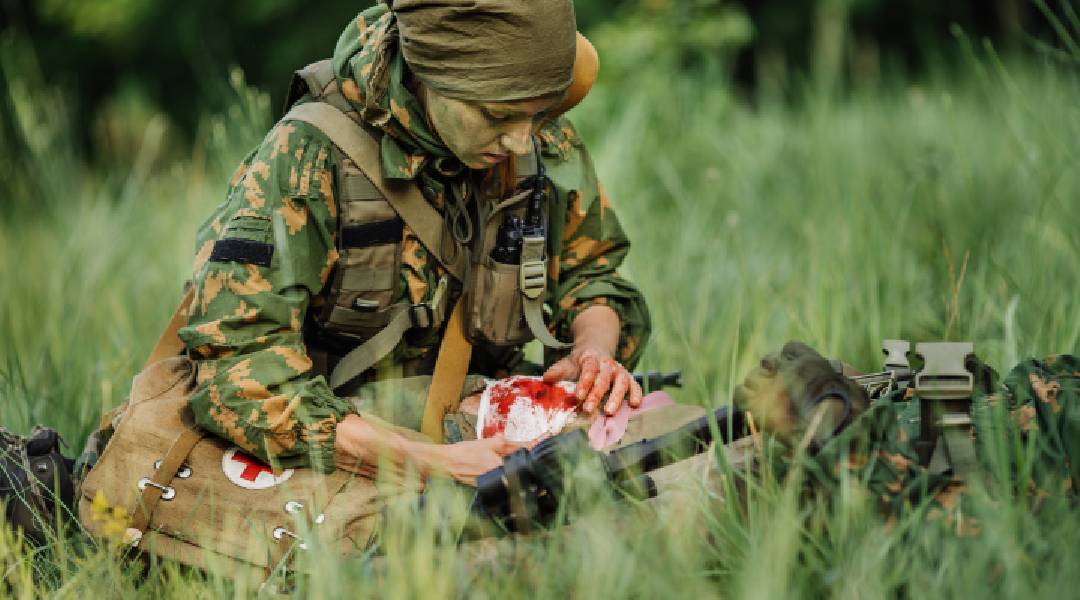
Emergencies do not follow scripts. They do not wait for ideal conditions like proper lighting or full medical kits. They happen in chaos. They occur on remote job sites or in harsh terrain or under pressure where every second matters. That is exactly why an Operational Medicine Course has become essential for those who operate beyond the reach of traditional healthcare systems.
This kind of training is not just about learning medical procedures. It is about preparing for reality in places where decisions must be fast and resources are limited along with outcomes being dependent on how well you adapt in the moment.
What is an operational medicine course?
An Operational Medicine Course focuses on delivering medical care in changing as well as real world environments. It blends clinical knowledge with situational awareness. It helps individuals respond effectively in unpredictable conditions. The training prepares participants to ensure the following.
- Handle trauma in remote or high-risk settings
- Work with limited equipment and supplies
- Make crucial decisions under pressure
- Adapt medical care to environmental constraints
It is practical and hands on. It is designed for scenarios where traditional medical systems are not immediately accessible.
Why traditional training is not always enough
What happens when that support is hours away or unavailable? That is where courses like the Wilderness Medicine Course come into play. They extend beyond textbook knowledge. They focus on prolonged care and improvisation added with decision making in isolation. The challenge is not just treating an injury. It is managing it over time which is often with minimal resources.
Skills you will gain in tactical medical training
One of the most valuable aspects of this training is its focus on real world application. Programs often integrate elements from Tactical Combat Casualty Care Training which ensures participants are ready for high pressure scenarios. Key skills include the following.
- Rapid trauma assessment and prioritisation
- Bleeding control and wound management
- Airway management in difficult conditions
- Evacuation planning and execution
- Coordinating care in team-based environments
These skills are not theoretical. They are practised through simulations that mirror real life emergencies.
The role of survival medicine in operational training
A Survival Medicine Course complements operational training by focusing on long term care in remote settings. It teaches participants how to save patients when evacuation is not immediately possible. It included the following.
- Managing infections without advanced facilities
- Treating dehydration and environmental exposure
- Using improvised tools for medical care
- Monitoring patient conditions over extended periods
The blend of survival and medical knowledge ensures that participants are prepared for immediate and ongoing challenges.
How It Is Different from Conventional Medical Education
Context is where the biggest difference is found. Conventional medical education frequently occurs in controlled settings with complete equipment. An operational medicine course on the other hand, gets you ready for ambiguity.
Important differences consist of the following.
- Training with an emphasis on the environment: realistic, frequently outdoor situations
- Limited resources: Acquiring the ability to operate without complete medical kits
- Responsibility for making decisions: More freedom to choose a course of therapy
- Extended care: Taking care of patients for longer
This change in strategy increases confidence in addition to competence.
Final words
Being prepared is crucial in real life emergencies. The extensive training required to manage complicated medical crises in unpredictable settings is provided by an operational medicine course. To prepare professionals and outdoor enthusiasts for real world difficulties, Valkyries Austere Medical Solutions offers unique training programs that guarantee they can act with confidence, precision, and resilience when it counts most.
FAQs
1. What is Tactical Combat Casualty Care (TCCC)?
Lifesaving trauma care in high-risk situations, such as bleeding control, airway management, and casualty evacuation under pressure, is the focus of tactical combat casualty care training.
2. Who should enrol in tactical medical classes?
Military personnel, security workers, first responders, and even civilians looking for enhanced emergency preparedness abilities can benefit from taking tactical medical classes.
3. What is covered in an operational medicine course?
Trauma treatment, decision making, extended field care, and medical response in settings with limited resources are all covered in an operational medicine course.
4. Are these courses useful for civilians?
Indeed, learning useful emergency response skills that can be used in distant, outdoor, or disaster circumstances is quite beneficial for citizens.