Posted on April 20, 2026
Medical emergencies can happen anywhere. It gets even more difficult if you are sitting somewhere remote, away from the hospital or city. Such places usually do not have proper ambulance services. In such cases, all you have is knowledge and the will to act quickly.
This is a big reason why Combat Medical Training is advantageous. People learn how to handle getting sick, hurt, or having an accident when they are not connected to the power grid and can't get medical help.
Key Insights
- Wilderness Medical Training prepares you to handle medical emergencies in remote, off-grid environments with limited resources.
- The program emphasizes patient stabilization, care enhancement, and situation management in cases of delayed evacuation.
- Common emergencies include trauma, fractures, extreme weather conditions, dehydration, and wildlife-related injuries.
- Ideal for trekkers, outdoor professionals, disaster responders, and anyone operating far from immediate medical support.
What Is Wilderness Medical Training?
If you wish to become a wilderness medic, you will have to learn how to treat sick people in remote places where there is a limited supply of resources. This teaches people how to maintain patient stability for an extended period, allowing for safe transportation to a more secure location. This course often revisits the topics covered in a Tactical Combat Medical Course.
Why Off-Grid Medical Training Matters?
Those who take the Tactical Medicine Course and train in the woods are ready to
- Handle emergencies on your own.
- Make important choices with little information
- Use the resources you have in creative ways.
- Keep the patient stable for long periods of time.
Common Emergencies in Wilderness Settings
You need to know about the risks of being in the wild and be able to deal with them.
1. Severe Bleeding and Trauma
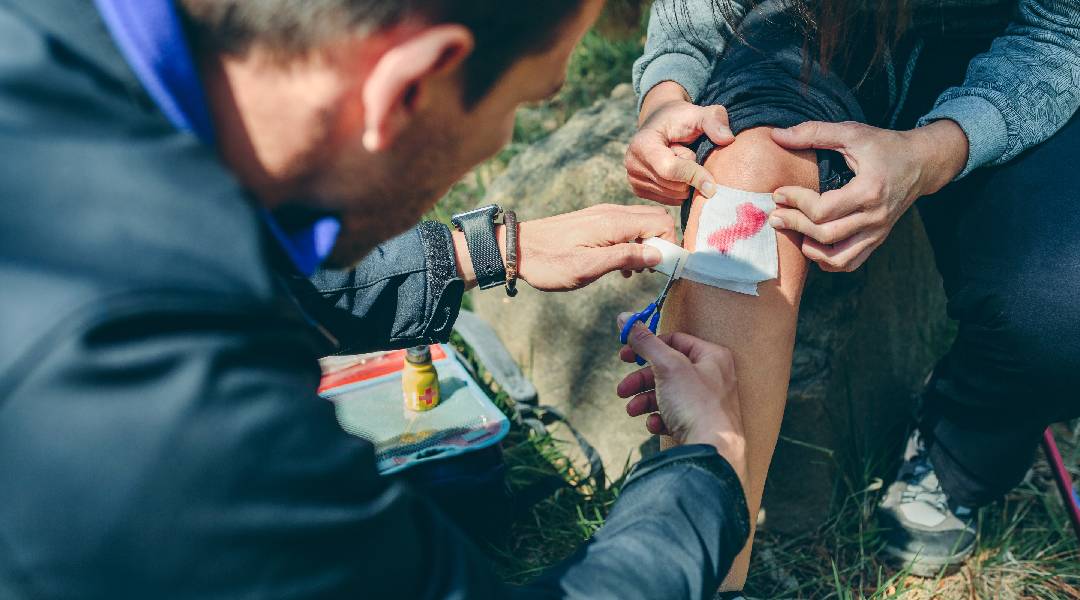
Heavy bleeding can happen because of falls, cuts, or injuries from tools. Stopping the bleeding right away becomes very important.
2. Fractures and Sprains
Uneven ground increases the risk of injury. Fractures and sprains are quite common in such cases.
3. Hypothermia and Heatstroke
If it is terrible outside, the body can change the way it works. Hypothermia or heatstroke is quite common. Such situations can be tackled if one pays attention and reacts quickly.
4. Dehydration and Exhaustion
People might suffer from exhaustion and dehydration if they do not have access to proper clean water or remain inactive for longer durations.
5. Bites, Stings, and Allergic Reactions
Wildlife encounters can cause serious medical emergencies. Allergic reactions can happen at any time.
Key Skills You Learn in Wilderness Medical Training
A well-designed Wilderness Medical Training program focuses on practical, survival-oriented skills.
1. Patient Assessment in Remote Settings
Learn how to look at injuries and spot conditions that could kill you without using expensive equipment.
2. Improvised Medical Care
Making splints, bandages, or stretchers out of things that are already around when standard tools are not available.
3. Long-Term Care Management
In rural areas, you might have to care for a patient for hours or even days. This includes keeping an eye on vital signs and avoiding problems.
4. Evacuation Planning
It is critical to know when and how to safely evacuate. This includes planning routes and moving injured people.
5. Risk Assessment and Prevention
Two things need to be done. Look for possible threats in the environment and take steps to stop them from happening.
Wilderness Medical Training is advantageous for those who work in places that do not have regular medical support. Companies like Valkyries Medical Solutions are very helpful in such cases.
Conclusion
Those places without electricity need expert assistance. You need to know more than just the basics. You've got to be confident, adaptable and active.
When you combine parts of a Tactical Combat Medical Care Course with wilderness medical training, you're ready to face these problems head-on. This training makes sure that you can help other people if something goes wrong, even if you are working in dangerous or remote areas.
FAQs
- What is Wilderness Medical Training?
Wilderness Medical Training taught how to handle medical emergencies in remote or off-grid areas without immediate medical help. Patient stabilization, improvisation, and injury management until evacuation are their main goals.
- Who should take Wilderness Medical Training?
Trekkers, adventurers, outdoor guides, disaster response teams, and professionals in remote or high-risk environments should take this training. Anyone who spends a long time without medical care benefits from it.
- What skills are taught in Wilderness Medical Training?
Patient assessment, bleeding control, fracture management, improvised medical care, long-term patient monitoring, and evacuation planning are taught. Resource-limited emergencies are managed well with these skills.